Biology

  • Bachelor of Arts
  • Bachelor of Science
  • Minor
  • Teacher Certification Content Area
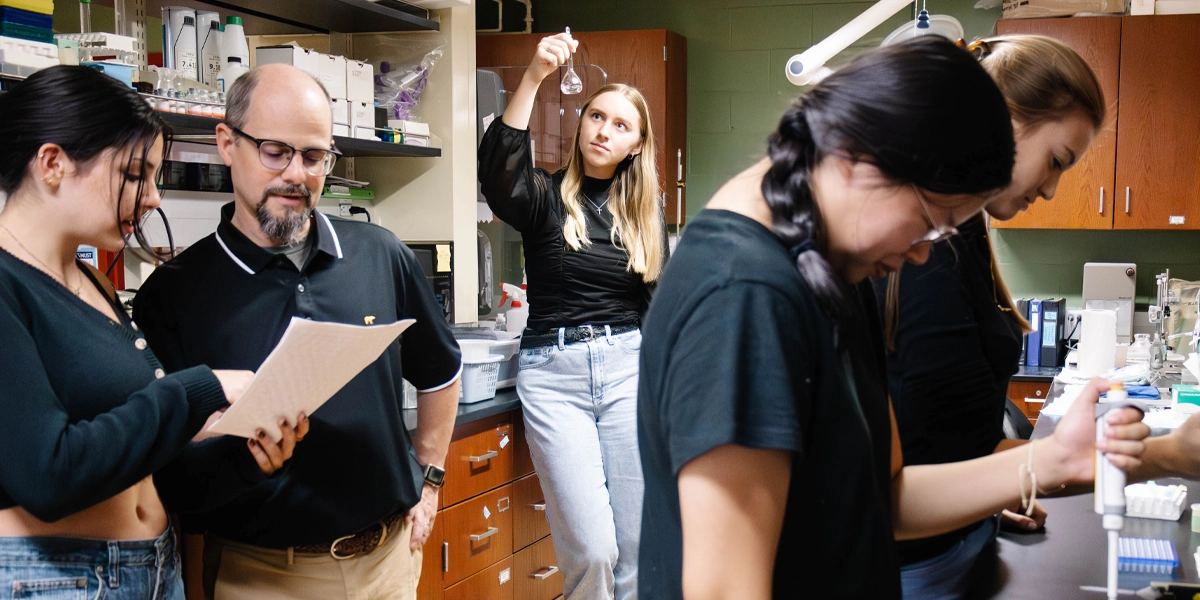
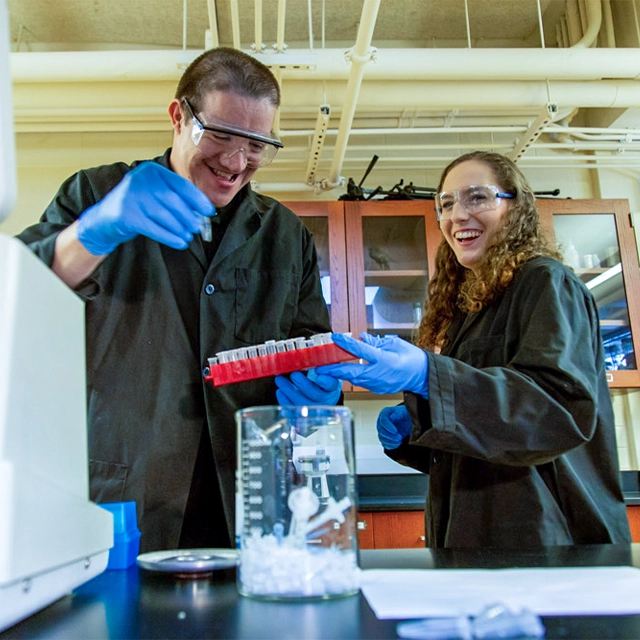
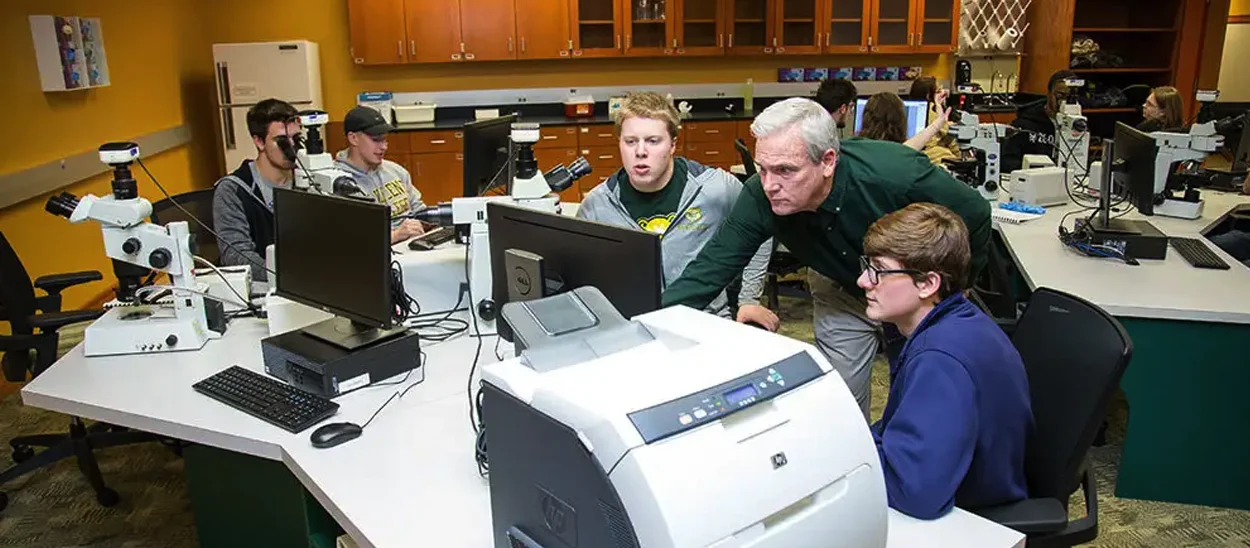
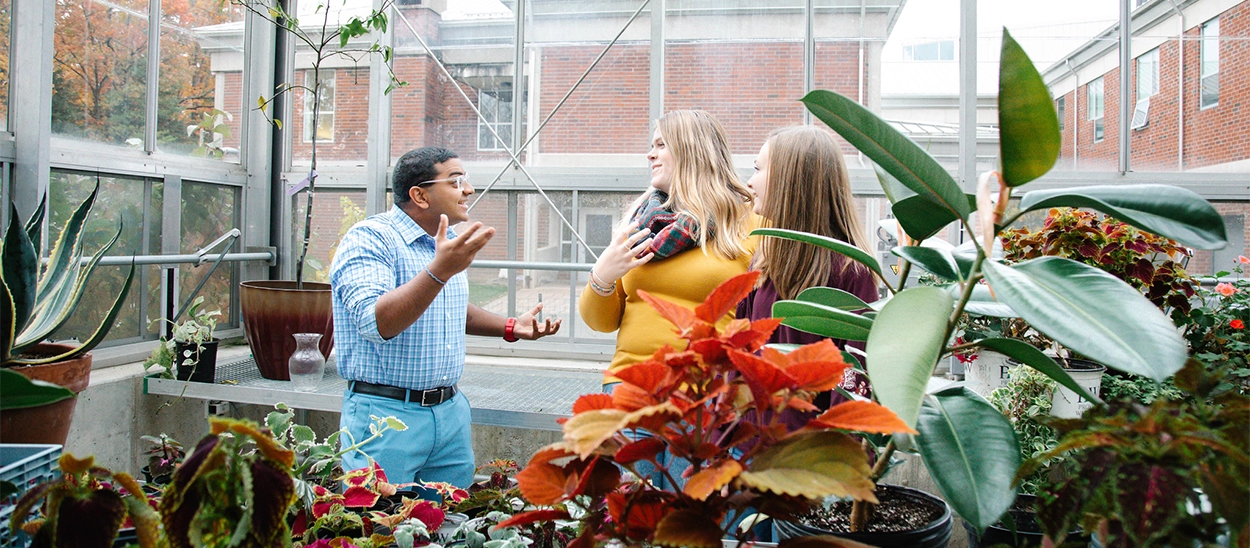
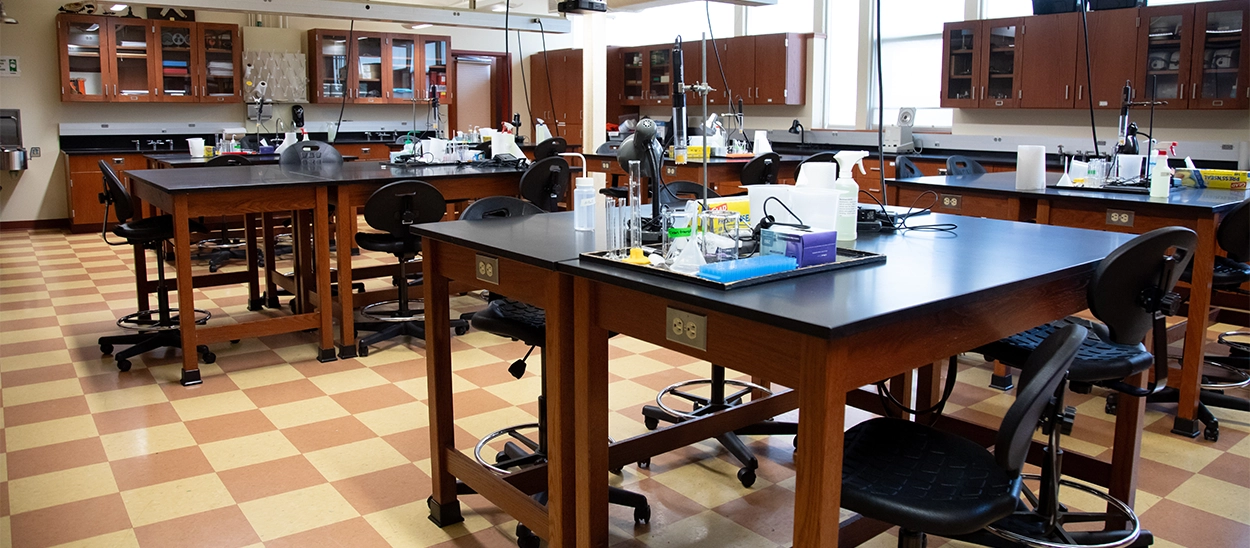
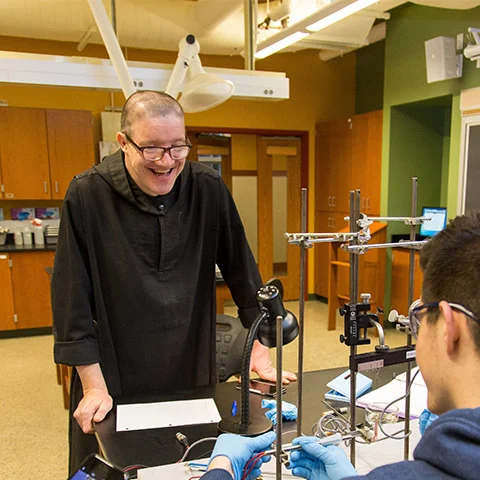
Students in a lab setting

Liberal Arts Breathes Life Into the Sciences

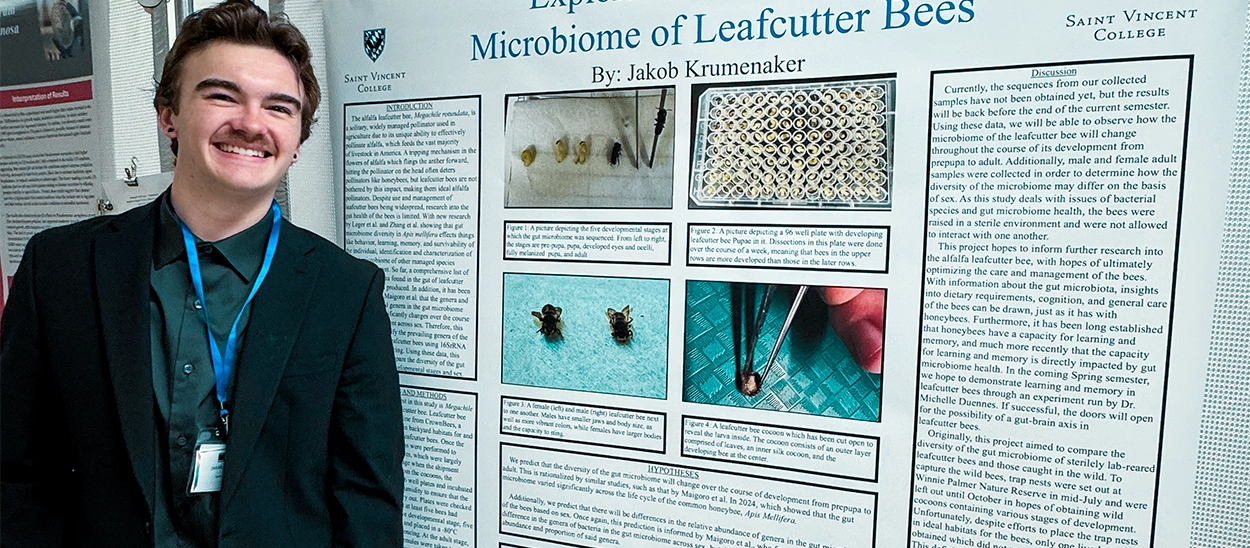
Biology majors at Saint Vincent College benefit from exceptional faculty, resources, and an expansive alumni network. Hands-on learning and research opportunities allow our students to apply biological concepts in three concentrations: cellular and molecular biology, organismal biology, and population biology. Beyond mastering laboratory and field techniques, our biology majors develop the critical thinking and communication skills that empower them to excel in healthcare, environmental science, education, research, and beyond. The liberal arts courses help develop well-rounded critical thinkers who make cross-curricular connections, interpreting data with insight and understanding the process behind each discovery.

Bachelor of Arts: The BA degree gives students more flexibility to take additional courses in other areas. Students still concentrate in cellular and molecular biology, organismal biology, or population biology, but may find it easier to double major or minor in programs that are in entirely different fields, like the humanities, foreign language, education, social sciences, or the arts.

Bachelor of Science: Students pursuing the BS degree take more courses in their biology curriculum and, in general, are usually committed in their goal of pursuing professional opportunities or graduate studies within the natural sciences.

Secondary Teaching Certification: Biology majors who minor in education will be prepared to acquire their teaching certification for grades 7-12. Visit the Education page to learn more.

Pre-Health and Pre-Allied Health Programs: Biology students who are interested in pursuing a career in healthcare will benefit from our pre-health and pre-allied health programs, which prepare students for their next phase of education. Some of our programs include partnerships with other schools, which offer students a streamlined path to their next degree.

Undergraduate Programs

Program Highlights

Careers After Saint Vincent

Alumni will go on to successful careers as:

  • Biotechnologist
  • Medical professional
  • Genetic counselor
  • Molecular biologist
  • Writer or editor for a science publication
  • Environmental policy analyst
  • Ecologist
  • Conservation biologist
  • Pharmaceutical research and design
  • Science researcher
  • Teacher

Our students have secured jobs and internships at a variety of companies in their field and enrolled in prestigious graduate schools:

Employers 

  • Lampire Biological Laboratories, Inc.
  • National Institute of Standards and Technology
  • National Park Service Conservation Legacy
  • Pennsylvania State Police, Bureau of Forensic Services
  • Scribe America
  • Xodus Medical, Inc.
  • Cleveland Metroparks
  • Independence Health System
  • Kvet Animal Care
Graduate Schools
  • Duquesne University
  • Gannon University
  • Lake Erie College of Osteopathic Medicine
  • Geisinger Commonwealth School of Medicine
  • Lincoln Memorial University DCOM
  • Michigan State University
  • University of Iowa
  • University of Pittsburgh
  • Villanova University

Visit the Pre-Allied Health page to see professional program acceptance rates for the last five years.

Student Success Story

  • $item.alt

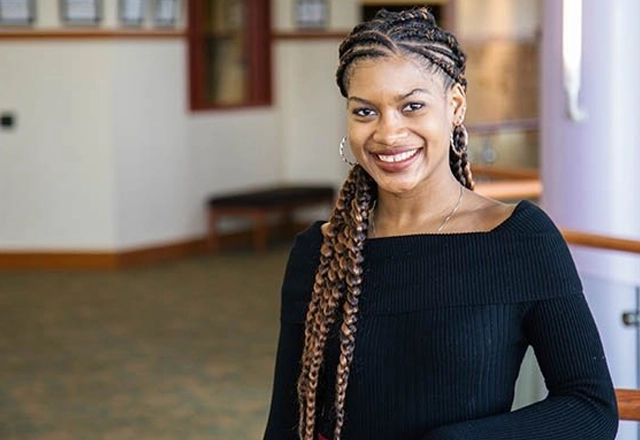
    Kyanna Williams-Pate, C‘17

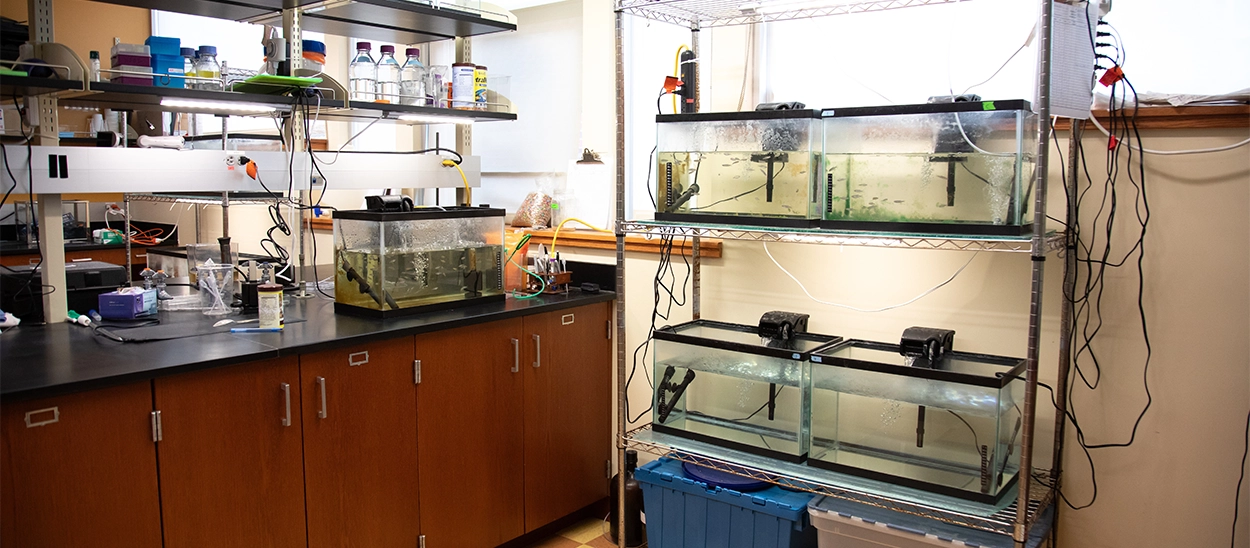
    "I feel really prepared to go into any field of biology with the experience I gained at Saint Vincent College. I’m especially proud of my senior research project, where I was able to find an anemia model in zebrafish which can help women who are medically predisposed to sickle cell anemia and are thinking about having a child. I found that if you alter different nutritional factors that you can prevent sickling in that child.”

    Project Coordinator, Gateway Medical Society

Required Curriculum

The biology major is part of the Herbert W. Boyer School of Natural Sciences, Mathematics, and Computing and is supported by our core curriculum, where students delve into diverse academic subjects at both foundational and advanced levels to explore how different disciplines connect, fostering deeper self-understanding and proficiency in their chosen field of study.

  • Bachelor of Arts: Required Courses

    Major Requirements - 61 credits

    • BL 150 General Biology I
    • BL 152 General Biology II
    • BL 151 General Biology Laboratory I 
    • BL 153 General Biology Laboratory II
    • BL 208 Cell Biology
    • BL 209 Cell Biology Laboratory
    • BL 301 Junior Research Seminar
    • BL 302 Research Project 
    • BL 303 Research Thesis 
    • CH 101 General Chemistry I 
    • CH 102 General Chemistry II 
    • CH 103 General Chemistry Laboratory I 
    • CH 104 General Chemistry Laboratory II 
    • CH 221 Organic Chemistry I 
    • CH 222 Organic Chemistry II 
    • CH 223 Organic Chemistry I Laboratory 
    • CH 224 Organic Chemistry II Laboratory
    • PH 109 College Physics I 
    • PH 110 College Physics II
    • PH 113 College Physics I Laboratory 
    • PH 114 College Physics II Laboratory
    • MA 109 Calculus I 

    Plus, fulfill the requirements for one area of concentration:

    Cell and Molecular Biology Concentration

    One of these courses with labs:

    • BL 212 Microbiology and BL 213 Microbiology Laboratory, or
    • BL 216 Biotechnology and BL 217 Biotechnology Laboratory, or 
    • BL 222 Developmental Biology and BL 223 Developmental Biology Laboratory

    And, 

    • BL 214 Molecular Genetics and BL 215 Molecular Genetics Laboratory

    Plus,

    • One course with laboratory from each of the organismal and population biology areas.

    Organismal Biology Concentration 

    One of these courses with labs:

    • BL 220 Comparative Vertebrate Anatomy and BL 221 Comparative Vertebrate Anatomy Laboratory
    • BL 226 Neuroscience and BL 227 Neuroscience Laboratory 
    • BL 228 Wildlife Biology and BL 229 Wildlife Biology Laboratory 

    And, 

    • BL 224 Physiology and BL 225 Physiology Laboratory

    Plus,

    • One course with a laboratory from each of the cellular and population areas. 

    Population Biology Concentration

    One of these courses with labs:

    • BL 232 Ecology and BL 233 Ecology Laboratory
    • BL 252 Invertebrate Zoology and BL 253 Invertebrate Zoology Laboratory 
    • BL 240 Conservation Biology and BL 241 Conservation Biology Laboratory

    And

    • BL 234 Evolution and Systematics and BL 235 Evolution and Systematics Laboratory

    Plus,

    • One course with laboratory from each of the cellular and organismal concentrations

    Strongly Recommended:

    • BL 260 Biostatistics or PY 203 Statistics I
    • TH 280 Catholic Bioethics or PL 218 Bioethics
  • Bachelor of Science: Required Courses

    Major Requirements - 68 credits

    • BL 150 General Biology I 
    • BL 152 General Biology II
    • BL 151 General Biology Laboratory I
    • BL 153 General Biology Laboratory II
    • BL 208 Cell Biology
    • BL 209 Cell Biology Laboratory
    • BL 301 Junior Research Seminar
    • BL 302 Research Project
    • BL 303 Research Thesis 
    • CH 101 General Chemistry I
    • CH 102 General Chemistry II 
    • CH 103 General Chemistry Laboratory I
    • CH 104 General Chemistry Laboratory II 
    • CH 221 Organic Chemistry I 
    • CH 222 Organic Chemistry II 
    • CH 223 Organic Chemistry I Laboratory 
    • CH 224 Organic Chemistry II Laboratory 
    • PH 109 College Physics I 
    • PH 110 College Physics II 
    • PH 113 College Physics I Laboratory
    • PH 114 College Physics II Laboratory
    • MA 109 Calculus with Applications I 
    • MA 110 Calculus with Applications II 
    • BL Elective Course in Biology*

    *Any three credit, 200 level biology course, CH251, CH252, BIN218 or BIN219 qualifies as an elective course in biology

    Plus, fulfill the requirements for one area of concentration:

    Cell and Molecular Biology Concentration

    One of these courses with labs:

    • BL 212 Microbiology and BL 213 Microbiology Laboratory, or
    • BL 216 Biotechnology and BL 217 Biotechnology Laboratory, or 
    • BL 222 Developmental Biology and BL 223 Developmental Biology Laboratory

    And, 

    • BL 214 Molecular Genetics and BL 215 Molecular Genetics Laboratory

    Plus,

    • One course with a laboratory from each of the organismal and population biology areas.

    Organismal Biology Concentration 

    One of these courses with labs:

    • BL 220 Comparative Vertebrate Anatomy and BL 221 Comparative Vertebrate Anatomy Laboratory
    • BL 226 Neuroscience and BL 227 Neuroscience Laboratory 
    • BL 228 Wildlife Biology and BL 229 Wildlife Biology Laboratory 

    And, 

    • BL 224 Physiology and BL 225 Physiology Laboratory

    Plus,

    • One course with a laboratory from each of the cellular and population areas. 

    Population Biology Concentration

    One of these courses with labs:

    • BL 232 Ecology and BL 233 Ecology Laboratory
    • BL 252 Invertebrate Zoology and BL 253 Invertebrate Zoology Laboratory 
    • BL 240 Conservation Biology and BL 241 Conservation Biology Laboratory

    And

    • BL 234 Evolution and Systematics and BL 235 Evolution and Systematics Laboratory

    Plus,

    • One course with laboratory from each of the cellular and organismal concentrations

    Strongly Recommended:

    • BL 260 Biostatistics or PY 203 Statistics I
    • TH 280 Catholic Bioethics or PL 218 Bioethics
  • Minor: Required Courses

    Minor Requirements - 26 credits

    All students must complete the following courses:

    • BL 150, 152 General Biology I and II 
    • BL 151, 153 General Biology Laboratory I and II
    • CH 101, 102 General Chemistry I and II 
    • CH 103, 104 General Chemistry Laboratory I and II 

    Additionally, students must complete 10 credits from the courses listed below. Two lecture-laboratory course combinations, each combination from a different area of concentration, must be included. Students may complete the remaining credits in any concentration. BL 260 Biostatistics may also be used to satisfy the remaining credits.

    Cell and Molecular Biology Concentration:

    • BL 208 Cell Biology and BL 209 Cell Laboratory 
    • BL 212 Microbiology and BL 213 Microbiology Laboratory
    • BL 214 Molecular Genetics and BL 215 Molecular Genetics Laboratory 
    • BL 216 Biotechnology and BL 217 Biotechnology Laboratory 
    • BL 222 Developmental Biology and BL 223 Developmental Biology Laboratory 
    • BL 242 Histology and BL 243 Histology Laboratory 
    • BL 250 Medical Microbiology
    • CH 251 Proteins and Metabolism and CH 253 Proteins and Metabolism Laboratory 
    • CH 252 Nucleic Acids and Membranes and CH 254 Nucleic Acids and Membranes Laboratory
    • BIN 218 Bioinformatics, Genomics and Proteomics and BIN 219 Biomedical Informatics

    Organismal Biology Concentration:

    • BL 220 Comparative Vertebrate Anatomy and BL 221 Comparative Vertebrate Anatomy Laboratory 
    • BL 224 Physiology and BL 225 Physiology Laboratory
    • BL 228 Wildlife Biology and BL 229 Wildlife Biology Laboratory 
    • BL 230 Ornithology
    • BL 226 Neuroscience and BL 227 Neuroscience Laboratory 

    Population Biology Concentration:

    • BL 232 Ecology and BL 233 Ecology Laboratory
    • BL 234 Evolution and Systematics and BL 235 Evolution and Systematics Laboratory
    • BL 238 Aquatic Ecology and Toxicology and BL 239 Aquatic Ecology and Toxicology Laboratory
    • BL 240 Conservation Biology and BL 241 Conservation Biology Laboratory
  • Teacher Certification: Required Courses

    In addition to the requirements for a bachelor of science, candidates for teacher certification in biology (7-12) must satisfy the following:

    • NSCI 150 Earth Systems Science
    • NSCI 151 Earth Systems Science Lab

    See Education Department guidelines to plan the core classes and other courses required for certification.

  • Key Courses

    Microbiology: This course explores the miniature organisms and entities that help us but can also harm us. Students read current primary literature and explore environmental unknowns in the lab.

    Neuroscience:
    This course explores the brain and how it works. You will test responses to various stimuli and explore complex behaviors, including mental disease and disorders.

    Invertebrate Ecology: 
    This course covers the biology of terrestrial, aquatic freshwater, marine, and parasitic invertebrates. Labs include looking at preserved specimens and field work.

Facilities

Undergraduate Programs