LATROBE, PA – Saint Vincent College and the Winnie Palmer Nature Reserve (WPNR) have unveiled two innovative, self-guided educational trails that transform outdoor exploration into an interactive learning experience.
Developed through the College’s Learnscape: Smart Trails for Environmental and Climate Science Awareness Project, the new trails combine engaging interpretive signage, QR-code technology and hands-on learning to educate visitors about climate change, watershed restoration and environmental conservation.
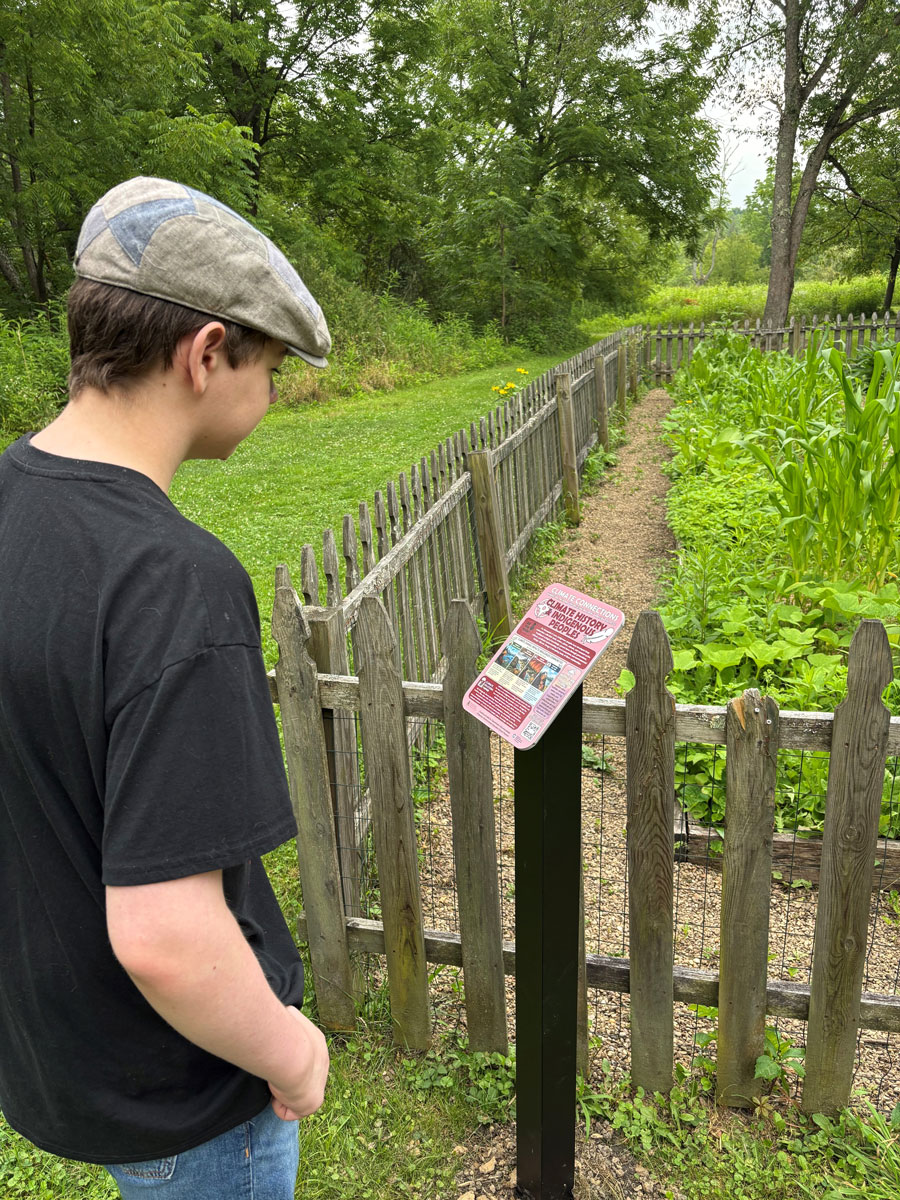
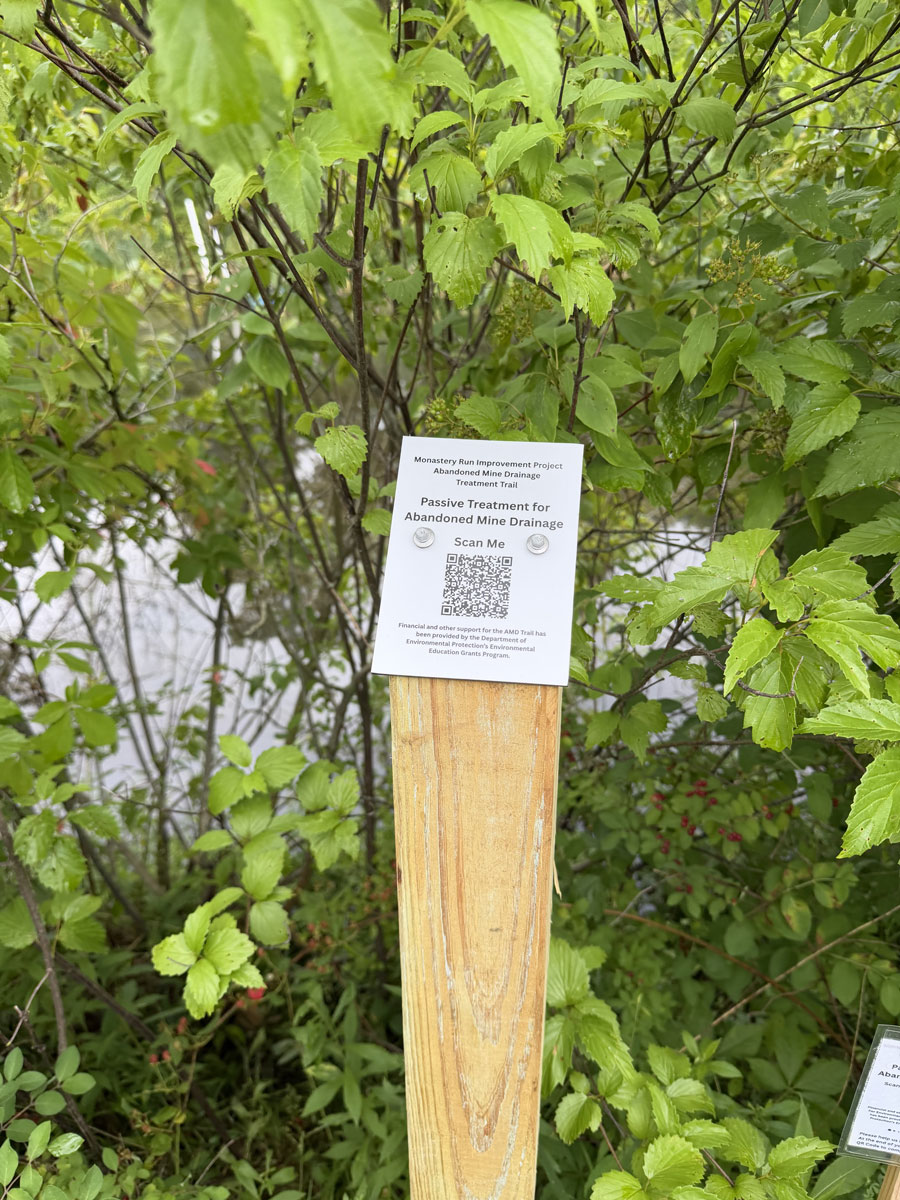
The project includes two distinct trail experiences: the Climate Connections Trail, located throughout the WPNR and featuring nine interactive signs, and the Abandoned Mine Drainage Treatment Trail, located at the Monastery Run Improvement Project in Wetland No. 3, adjacent to the Saint Vincent Gristmill, and featuring 10 interactive signs.
By combining technology with outdoor exploration, the project encourages visitors to discover, learn and become environmental stewards in their own communities.
The Climate Connections Trail helps visitors understand how climate change is affecting western Pennsylvania’s ecosystems while demonstrating practical actions individuals can take at home.
“At the Winnie Palmer Nature Reserve at Saint Vincent College, visitors experience the realities of climate change in a way that is both meaningful and inspiring,” said Angela Belli, WPNR director. “The Climate Connections Trail connects them to the changing environment in real time, transforming awareness into action. Along the trail, visitors discover practical, achievable ways to protect natural resources and become environmental stewards, empowering them to make a positive difference in their own backyards and communities.”
Each colorful educational station explores a different environmental topic—including birds, native trees, pollinators, freshwater resources and sustainable gardening—and pairs scientific information with everyday conservation strategies. Visitors also learn how the WPNR is implementing these same solutions through habitat restoration, native landscaping, pollinator gardens, demonstration gardens, stormwater management and wildlife conservation.
The second trail—the Abandoned Mine Drainage Treatment Trail—replaces an older trail brochure with a digital format, allowing for continual updates. It highlights one of western Pennsylvania’s most successful environmental restoration efforts.
The Abandoned Mine Drainage Treatment Trail guides visitors through the Monastery Run Improvement Project, where passive treatment wetlands restore water impacted by historic coal mining. Using QR-enabled interpretive signs, visitors learn how abandoned mine drainage forms, how water moves into and out of underground mines, how passive treatment systems function and how wetlands naturally improve water quality. Additional stops explain the Pittsburgh Coal Seam, native wetland plants, the artesian “Bubbler” and the remarkable transformation from polluted orange streams to healthy aquatic ecosystems.
“By incorporating QR technology into the Monastery Run Improvement Project Smart Trail, we replaced the limitations of a printed brochure from 2000 into an interactive platform,” said Beth Bollinger, chemistry lab manager in the Herbert W. Boyer School of Natural Sciences, Mathematics and Computing at the College. “Rather than replacing interpretive signs as information changes, the Smart Trail content can provide visitors with continually updated information about abandoned mine drainage treatment and watershed restoration, ensuring they receive the most current information.”
The trail illustrates how environmental restoration projects can improve both ecosystems and community understanding of watershed conservation.
The project was made possible through a grant in May 2025 from the Pennsylvania Department of Environmental Protection’s Environmental Education Grants Program, which provides funds to support a wide range of environmental education projects including hands-on programs for students and community conservation initiatives.