LATROBE, PA – Saint Vincent College climbed 10 spots among the nation’s top liberal arts colleges in the 2027 U.S. News & World Report Best Colleges Rankings.
SVC was also recognized as a top performer in social mobility, which examines an institution’s capacity for enrolling and graduating students from economically disadvantaged backgrounds. Additionally, the College was lauded for its undergraduate engineering program and position as a top private school.
“U.S. News & World Report’s recognition reflects the qualitative and quantitative growth we continue to see at Saint Vincent,” said Father Paul Taylor, O.S.B., C’87, S’91, PhD, president of Saint Vincent College. “We expect that growth to continue as we remain committed to investing in our students, our academic programs and our campus.”
The rise in the rankings comes after the College welcomed its strongest incoming class in eight years this fall and amid continued investment in Saint Vincent’s academic programs, facilities and financial aid.
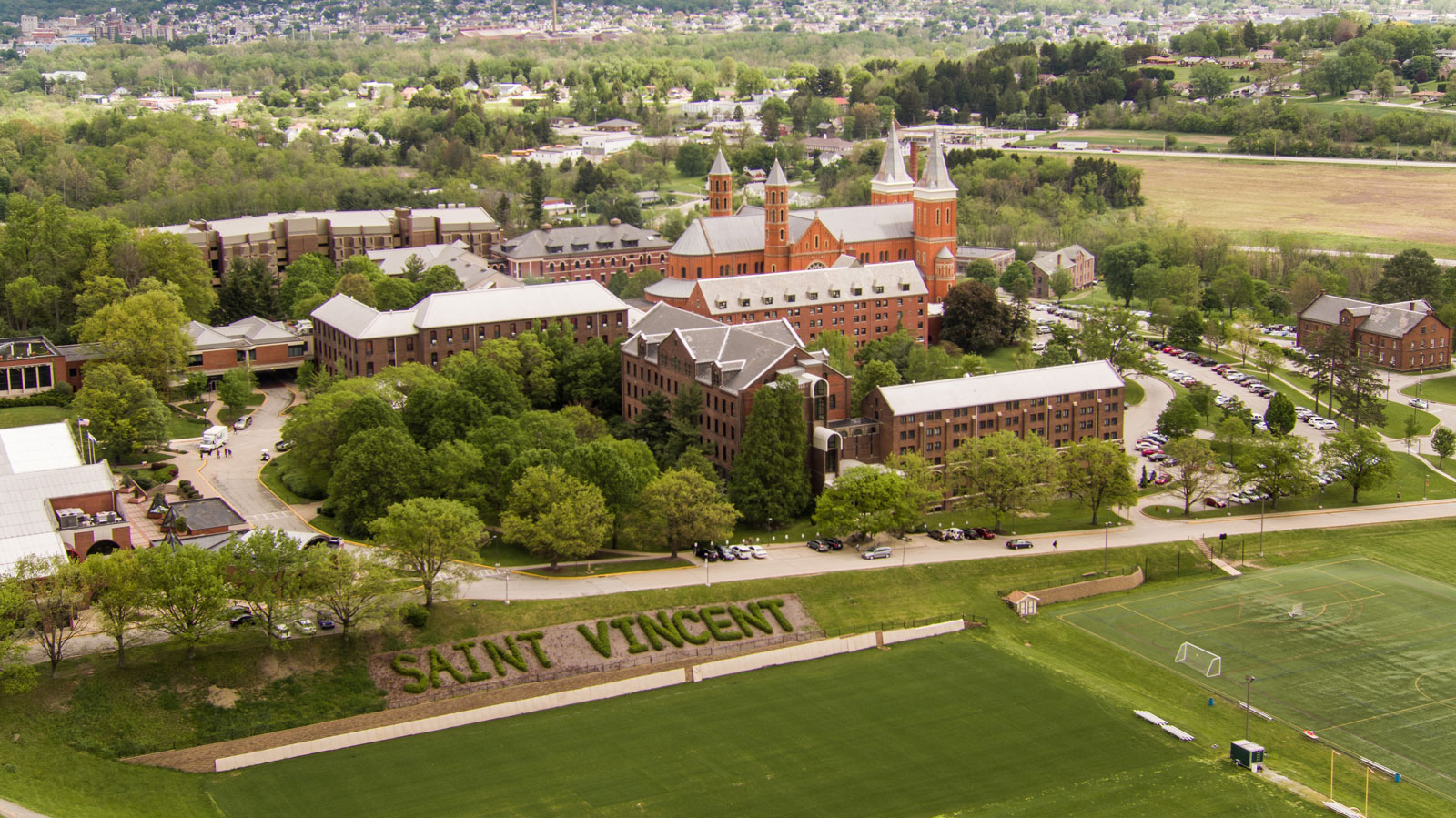
The College is constructing three buildings simultaneously to enhance learning and campus life. The Saint Vincent community recently began using the new Dunlap Family Athletic and Recreation Center, a facility that expands opportunities for wellness, recreation and student life. Rhodora and John Donahue Hall, the future home of Saint Vincent’s growing nursing programs, is under construction and scheduled to open early next year. In close partnership with Saint Vincent Archabbey, the historic Sauerkraut Tower is being preserved and repurposed into the Latimer Library Tower. The reimagined structure will feature exhibition and gallery space, research areas for special collections and a reading room for study and reflection.
The College also remains committed to making a Saint Vincent education affordable for students and families through its Bearcat Advantage Program, which recently increased its eligibility threshold to $100,000 for the 2027-28 academic year. The pioneering initiative, launched in 2023, seeks to ensure that eligible first-time students from Pennsylvania families with a total annual household income within that threshold receive fully funded tuition thanks to a combination of grants and scholarships.
U.S. News & World Report includes schools whose national liberal arts rankings emphasize undergraduate education and award at least half of their degrees in the liberal arts fields of study. Saint Vincent College ranked No. 111 among 206 institutions selected for inclusion, marking the 17th consecutive year the College has been rated in the upper echelon. In the Pittsburgh Metro Area, SVC ranked No. 2 and No. 16 overall in Pennsylvania.
Saint Vincent College maintained its high ranking among national liberal arts colleges on U.S. News & World Report’s list of top performers on social mobility, coming in at No. 136 (No. 2 in the Pittsburgh Metro Area and 18th in the state). This ranking is based on Saint Vincent College’s successful retention and graduation rates of economically disadvantaged students and Pell Grant recipients.
The College’s undergraduate engineering program, which received ABET accreditation in 2023, is ranked by U.S. News & World Report at No. 253 among engineering programs that do not offer a doctorate (No. 7 in the Pittsburgh Metro Area and 26th in the state). This marks the SVC engineering program’s third appearance among the U.S. News & World Report rankings. The College’s placement on the list is based on peer assessments from deans and senior faculty at peer institutions.
Saint Vincent was also recognized as a top private national liberal arts school, ranked No. 105 (No. 2 in the Pittsburgh Metro Area and No. 16 in the state).
The annual rankings evaluate over 1,700 colleges and universities across the United States, “using up to 17 factors that measure academic quality and graduate success,” according to U.S. News & World Report.
The U.S. News & World Report Best Colleges Rankings have been a staple in higher education for more than four decades. The rankings began in 1983 using a more subjective methodology but have evolved into a trusted tool for use by prospective students and their families when comparing the merits of undergraduate programs at the nation’s colleges and universities. The rankings provide comprehensive information about the institutions and data on elements such as graduation rates, graduate indebtedness and postgraduate income.