
“I came to the world with a cry; I am leaving with a smile. Farewell to you all ‘til we meet again.”
Barbara Loe, Ph.D., LHD (Dec. 14, 1924 – Oct. 27, 2012), daughter of James Loe and Margaret Tseng Loe
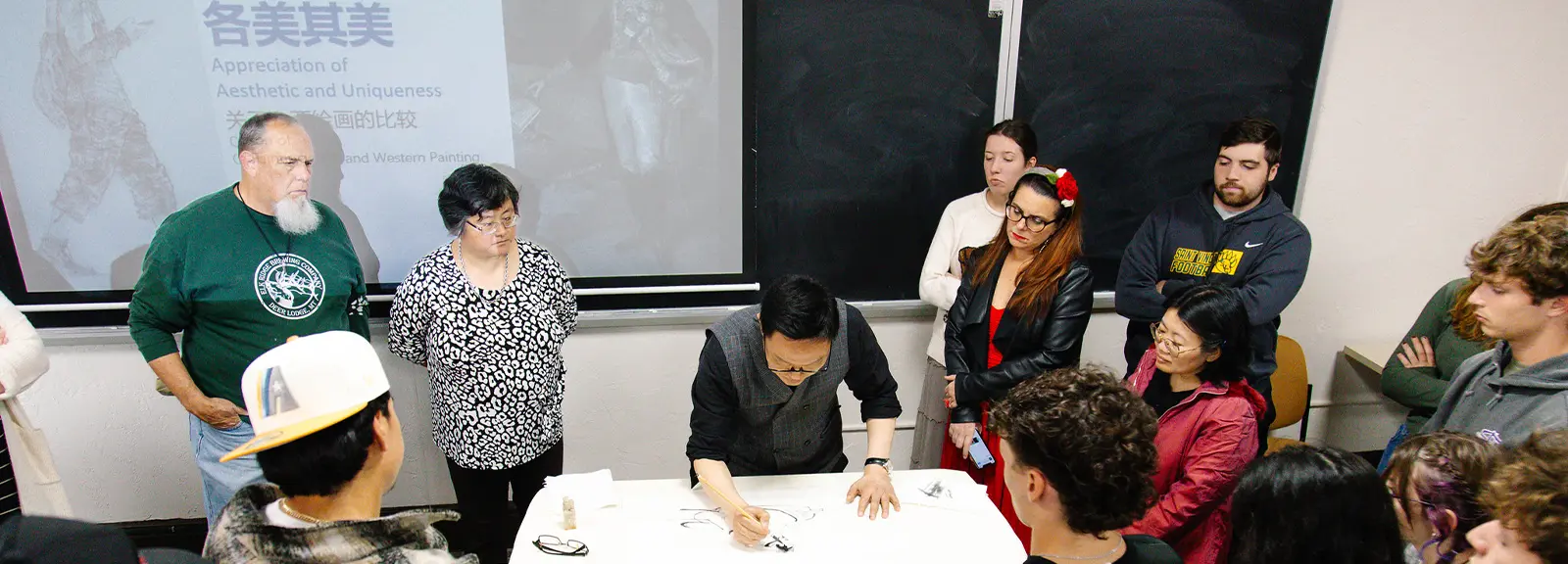
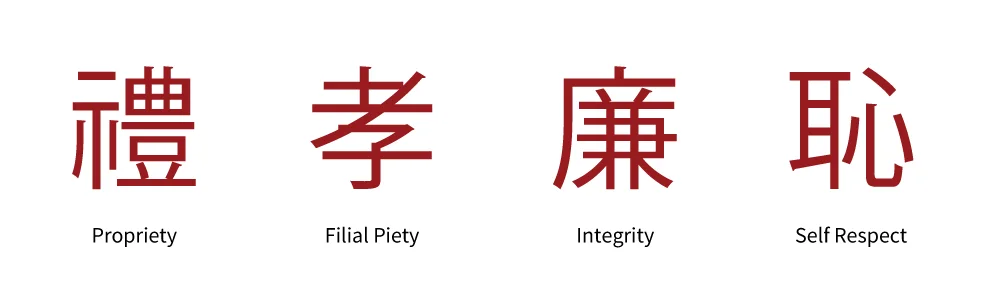
The James and Margaret Tseng Loe China Studies Center promotes cross-cultural understanding between China and the United States through cultural exchange and education. Inspired by the Loe family’s integration of American ideals of freedom, equality, and democracy and the Chinese cardinal moral principles of propriety, filial piety, integrity, and self-respect, the Center aims to cultivate the idea that there is more that unites us than divides us.
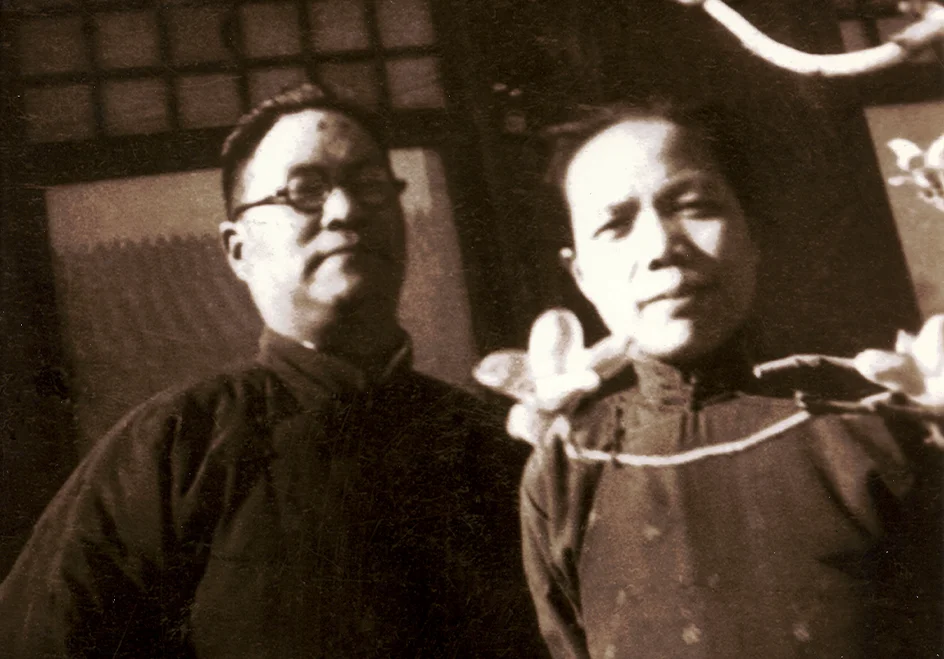
With deep gratitude, the China Studies Center Fund is dedicated to the memory of Professor James Loe and Mrs. Margaret Tseng Loe for bestowing upon and instilling in their five daughters the great national heritage of America and of China. They taught their daughters the American ideals of freedom, equality, and democracy. They also passed on to their daughters the basic Chinese values of the four cardinal moral principles and the eight basic ethical virtues. They led their daughters to understand that the foundation of true peace— within oneself or among nations—rests not in the power of conquering others, but in the conquering of one's self through these basic ideals and values.

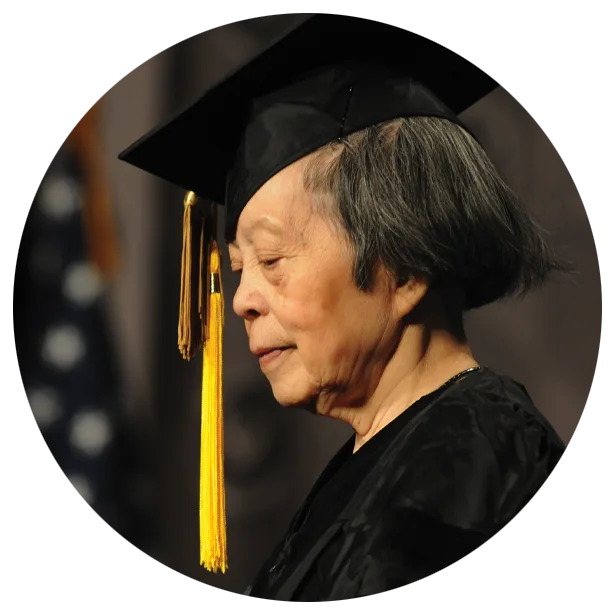
“I came to the world with a cry; I am leaving with a smile. Farewell to you all ‘til we meet again.”
Barbara Loe, Ph.D., LHD (Dec. 14, 1924 – Oct. 27, 2012), daughter of James Loe and Margaret Tseng Loe
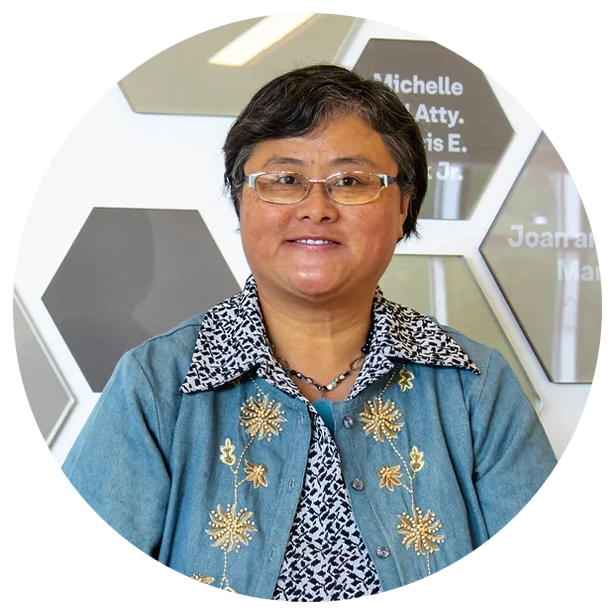
Sophia Geng, Ph.D., earned her master’s degree from Beijing Foreign Studies University in Beijing, China, and her doctorate from the University of Minnesota-Twin Cities. She served as chair of the board of directors of ASIANetwork, a consortium of about 150 North American colleges and universities, which promotes education about Asia within the liberal arts tradition. Before joining the Saint Vincent faculty in 2023, she taught China studies and served as the director of the Asian Studies Program at the College of Saint Benedict and Saint John’s University in Minnesota.
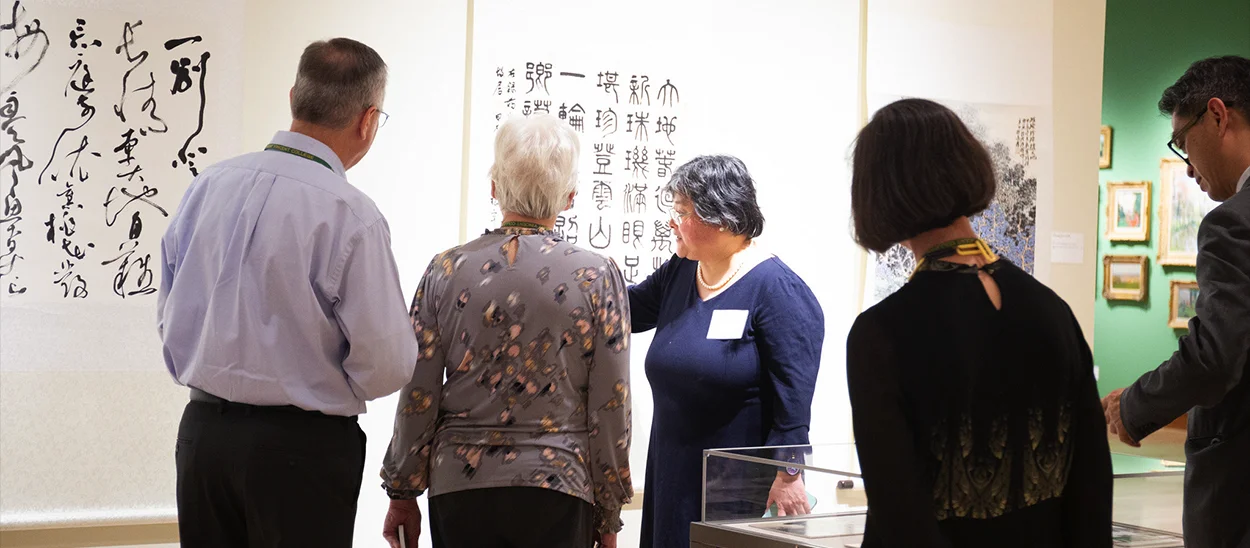
From beginner to advanced levels, our courses cover language, conversation, grammar, literature, art, and even business Chinese, offering an engaging path to fluency and cultural insight.
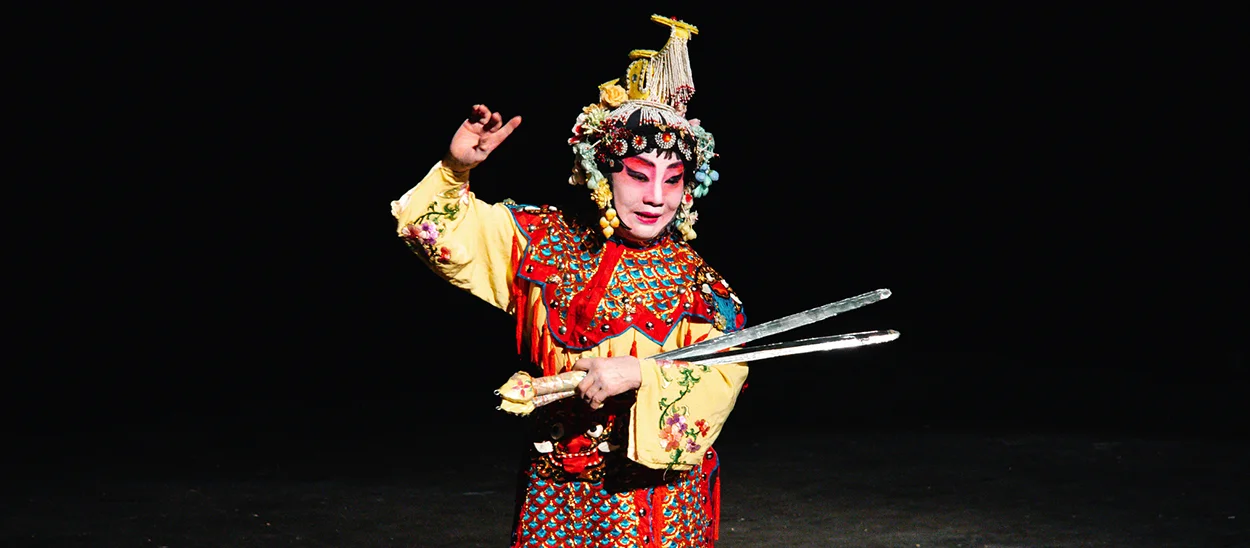
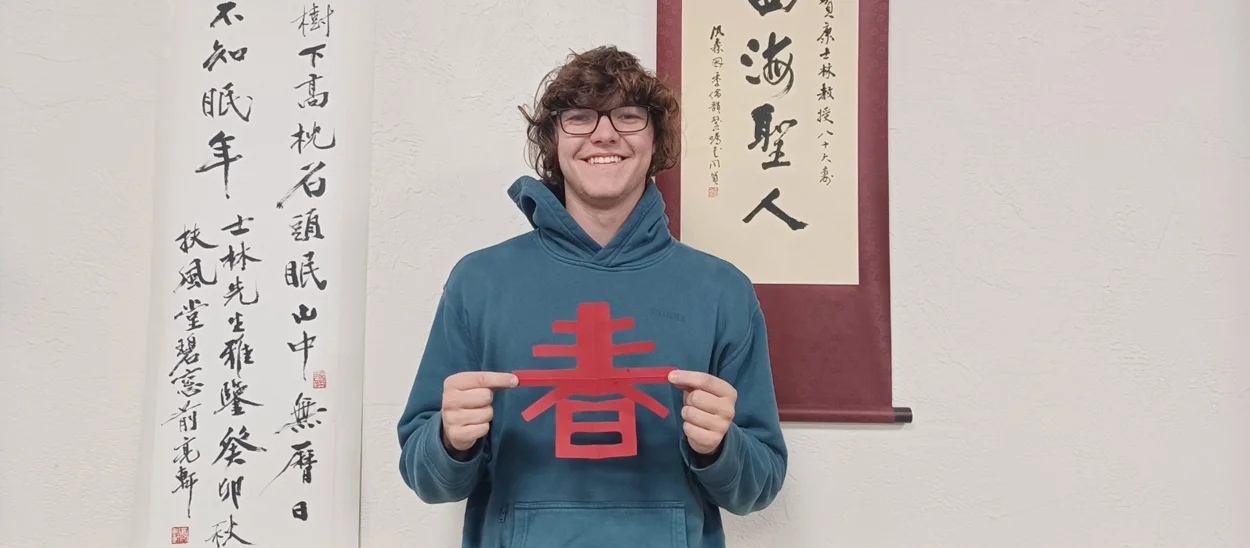
The Loe Center hosts events such as calligraphy demonstrations, classical Chinese concerts, the Peking Opera, and lectures by Fu Jen scholars. Students also have opportunities to take field trips to events like the Allen Poe Museum and the Lunar New Year Gala at the Pittsburgh Playhouse.
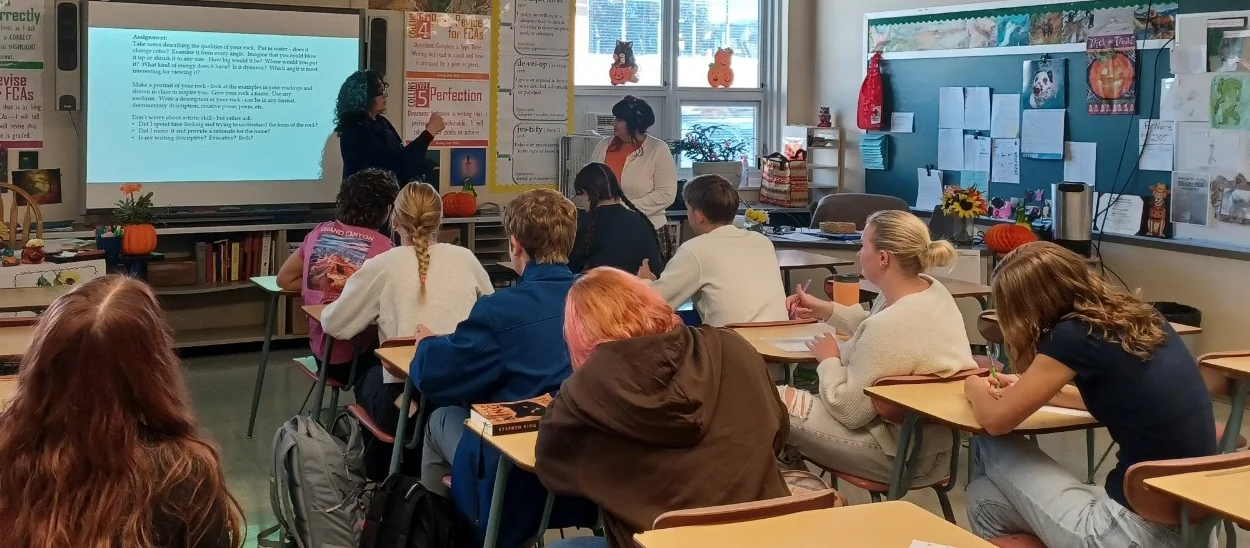
The Loe Center has launched new fellowships for faculty to develop curricular projects that incorporate aspects of China’s history, politics, and culture. These fellowships ensure students experience courses that are more interdisciplinary, globally relevant, and connected to China’s culture and history.
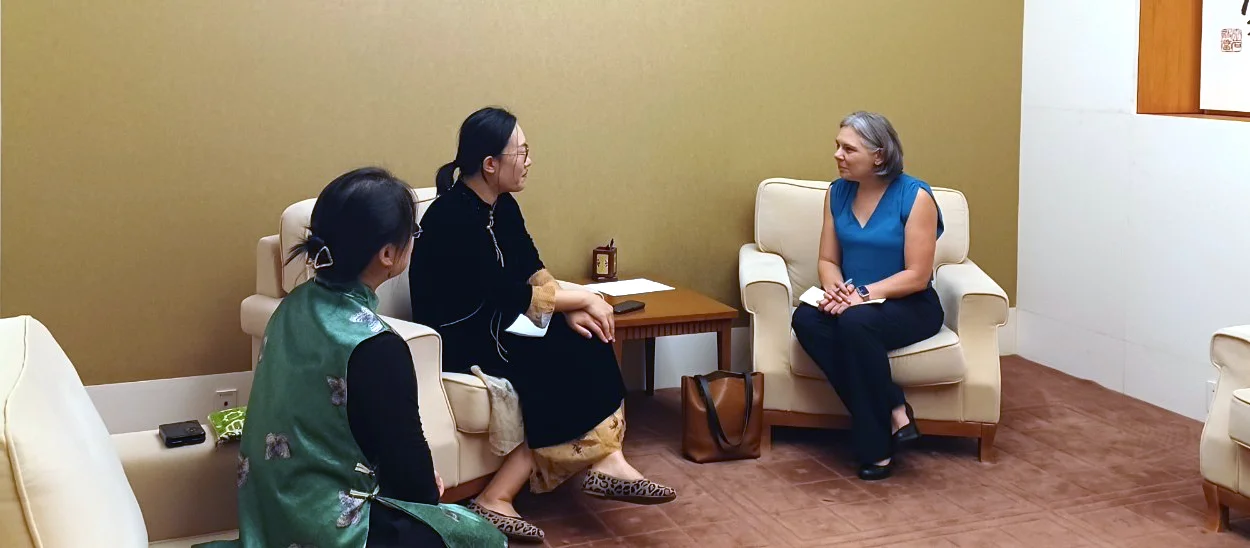
The Loe Center has established international partnerships with Hong Kong Shue Yan University, Shandong Architecture University, and Fu Ren University. As these relationships grow, so do the opportunities for educational exchange between American and Chinese students.
Saint Vincent College students are encouraged to expand their knowledge of the Chinese language and culture by traveling abroad. Our Office of Community and Global Engagement assists students in finding the right study abroad experience given the student’s goals, major requirements, and finances. There are multiple scholarships available for study abroad.
CHI 101 Elementary Chinese I
CHI 102 Elementary Chinese II
CHI 103 Intro to Chinese Arts
CHI 203 Intermediate Chinese I
CHI 204 Intermediate Chinese II
CHI 305 Advanced Chinese Conversation I
CHI 306 Reading Chinese
CHI 307 Advanced Chinese Conversation II
CHI 308 Advanced Chinese Grammar I
CHI 309 Advanced Chinese Grammar II
CHI 310 Chinese Lit. in Translation (Tang ~ Qing Dynasties)
CHI 311 Modern Chinese Literature: Qing Dynasty to the present
CHI 313 Business Chinese I
CHI 314 Business Chinese II
CHI 320 Topics in Chinese Language
CHI 350 Independent Study — Chinese
Introduction to Chinese Art
Explore three fascinating aspects of Chinese culture: folk music, calligraphy, and tea traditions. You’ll experience these art forms through activities like music sessions, calligraphy practice, and tea tasting. You’ll also share what you learn through presentations, exhibitions, and even community events on campus. No Chinese language skills required!
Chinese and Chinese American Folklore
In this class, we will read English translations of popular Chinese folklore, legends, and myths such as the tale of Mulan, the story of the Cowherd and the Weaver Girl, and other stories from China’s rich oral traditions. Looking through the lens of gender and intercultural communication studies, you’ll analyze how these stories evolved in mainstream and vernacular cultures. Additionally, we will examine adaptations of these stories in film, TV series, opera, and dance by Chinese and Chinese-American authors, comparing the differences in language, theme, moral, and functionality. Beyond studying texts, students will partner with community organizations in service-learning opportunities that use storytelling as a tool for community building and forming culture identities.
Chinese American History: From the Gold Rush to the Present
This course surveys Chinese American history from the Gold Rush to the present, focusing on shifting immigration laws and evolving perceptions of the Chinese in America. These changes illuminate the United States’ identity as a nation of immigrants and the ongoing tensions in U.S.–China relations.
The Friendship Memorial Scholarship Fund is established with gratitude in honor of Rev. Gregory Schramm, O.S.B. (1898–1972), James I. Loe (1900–1951), and Margaret T. Tseng Loe (1900–1939). Dedicated by their daughters, the fund recognizes their friendship, inspiration, loving care, and guidance as enduring lights on the path to God.
This scholarship is provided as a one‑time award by the Financial Aid Office during the spring of a student’s freshman year, to be used in the sophomore year.
Students are eligible if they:
Eligible students may apply through the Financial Aid Office by submitting an essay describing how they can help promote the mission and goals of the Loe Center, along with two letters of recommendation from Saint Vincent College faculty.